
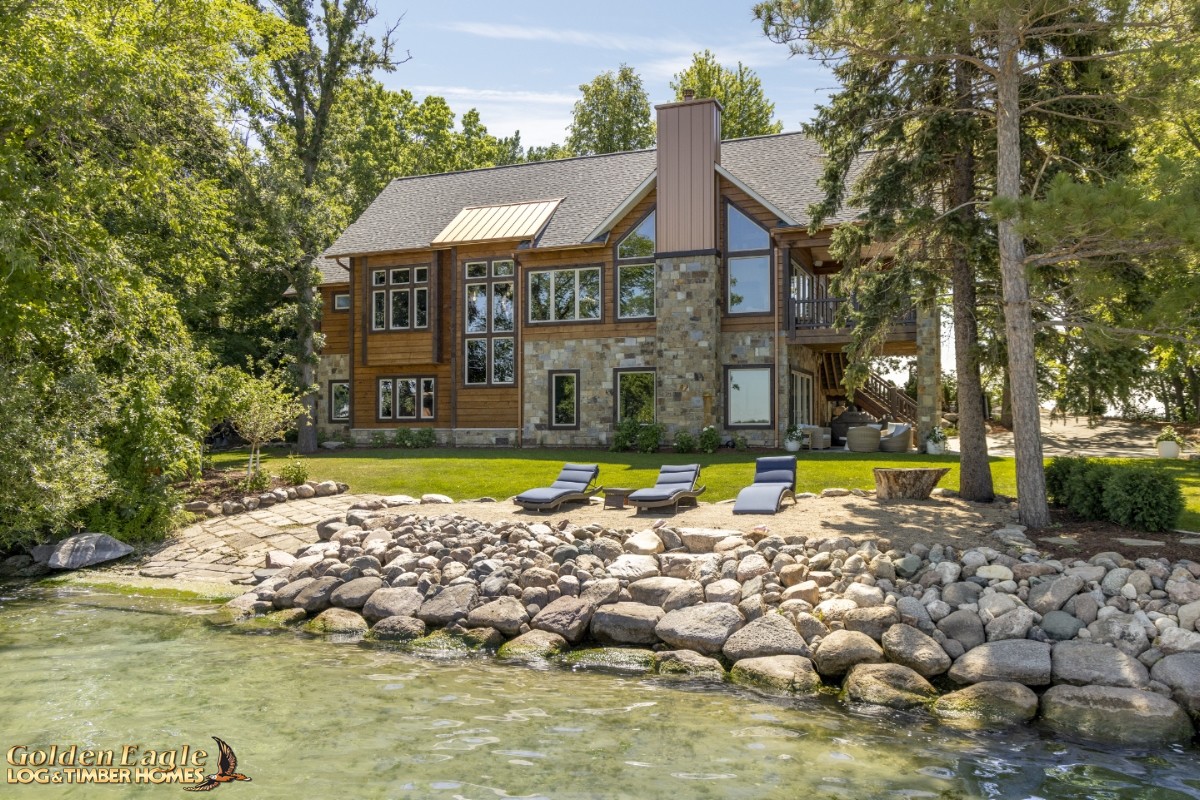
Picture your morning coffee with the sun rising over the water, the lake perfectly framed by a wall of glass and warm wood. That moment is the reason so many people dream of a lakefront log home or timber home. Getting there takes some careful planning, though, because building on the water comes with its own set of rules. The good news is that with the right steps in the right order, a lakefront build is very manageable, and the result is a home that feels like it was made for its shoreline.
Step One: Start with the Local Zoning Department
Every municipality is different when it comes to lakefront construction, and the details matter. Setbacks from the water can vary from one town or county to the next, and so can the rules about what counts toward those setbacks. In some areas, decks and roof overhangs are included in the measurement. Some communities consider the average setback of the neighboring homes, and many measure from the ordinary high water mark. There may also be limits on impervious surfaces, such as roofs, driveways, and patios that keep rainwater from soaking into the ground.
Because the rules change from place to place, contacting the local zoning department is always the first step. A short conversation early on can save you from redesigning later.
Step Two: Get a Topographical Survey
Once you understand the local requirements, the next step is a topographical survey of your property. A topographical survey maps the shape and elevation of your lot and identifies many of the items zoning officials will want to see, giving you and our design team a clear picture of where the home can sit and how much room we have to work with. Think of it as the foundation for every design decision that follows.
Step Three: Design the Home Around the View
With the requirements in hand, it is time for the fun part: designing a home that conforms to the rules and still captures the best possible view of the lake. The key is placing the common areas and the rooms you spend the most time in toward the water. In most cases, that is the back of the home, opposite the approach or driveway. Your great room, kitchen, and dining area become front-row seats to the lake.
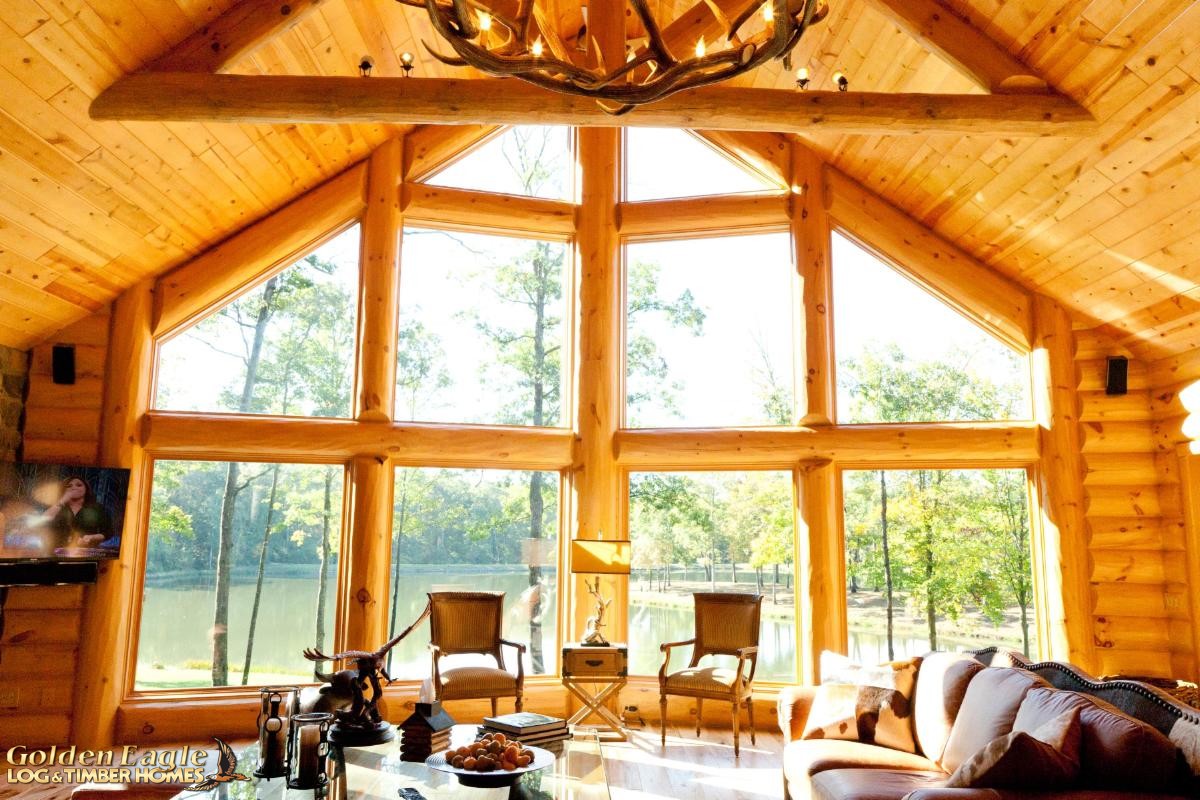
These lake-facing rooms are designed with generous amounts of glass and minimal framing so the view takes center stage. Large picture windows, which are fixed and do not open, give you an unobstructed view with no screen in the way. Flanking windows or doors on either side can then be designed to open, providing natural ventilation and easy access to your outdoor living spaces. It is a simple combination that gives you the best of both worlds.
Step Four: Plan Outdoor Living That Protects the View
Outdoor living spaces are another wonderful way to enjoy the lake, and how you design them makes a big difference. An open deck or patio has the least impact on the view from inside the home. Oftentimes the deck is set lower than the main floor and the railing and spindles are kept minimal, so they do not obstruct the view from the interior.
If you want protection from the sun or rain, a covered porch is a great addition. To take it one step further, screens can be added to keep the bugs at bay on those warm summer evenings. Three-season and four-season rooms usually involve framed walls and windows, so they are often built off to the side of the home. That way, you get a cozy, protected space without blocking the view from the rest of the house.
Build Your Lake Home with Confidence
A lakefront home is often more than a house. It becomes the place where families gather, summers are spent, and memories are made for generations. Taking the time to understand your local requirements, survey your property, and design around the view sets that home up for success from the very beginning.
At Golden Eagle Log and Timber Homes, our team has helped homeowners across the country turn lakefront lots into homes they love, and we would be glad to help you do the same. Ready to start planning your lake home? Give us a call at 800.270.5025 today. We would love to hear about your property and your vision.
Tagged Categories: